
Heat Soaked Laminated Glass: Benefits and Applications
By:Admin
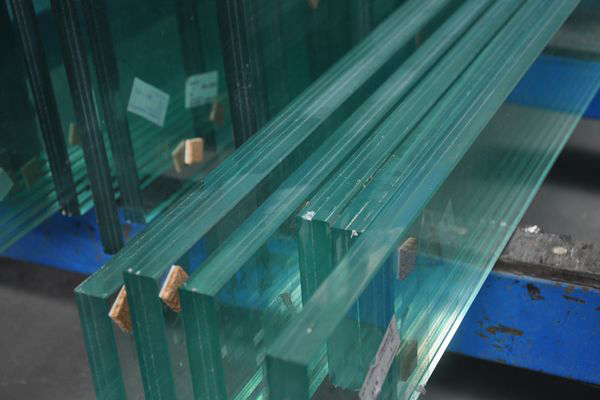
In the evolving landscape of building materials, safety and durability remain paramount considerations, especially in glass applications. Recently, the advent of heat soaked laminated glass has marked a significant breakthrough in the industry, offering enhanced resistance to breakage and improved performance under extreme conditions. This innovative glass technology is rapidly gaining traction among architects, builders, and developers aiming to elevate the standards of modern construction.
**Understanding Heat Soaked Laminated Glass**
Laminated glass itself is composed of two or more layers of glass bonded together with an interlayer, typically polyvinyl butyral (PVB), which holds the layers in place if shattered. However, even laminated glass can sometimes suffer from spontaneous breakage due to the presence of nickel sulfide inclusions formed during the manufacturing process. This phenomenon poses safety risks and potential project delays.
Heat soaking is a testing and strengthening procedure applied after the laminated glass is manufactured. It involves subjecting the glass panels to elevated temperatures, usually around 280°C (536°F), for several hours in a specialized oven. This treatment accelerates the expansion of nickel sulfide inclusions, causing defective glass to break during the heat soak process rather than after installation. The result is a more reliable, safer glass product with a drastically reduced risk of spontaneous failure.
Combining heat soaking with lamination produces heat soaked laminated glass—panels that benefit from both enhanced safety due to quality control and structural integrity from the laminated interlayer. This dual advantage makes it an ideal choice for applications where high safety standards are non-negotiable.
**Applications and Benefits in Construction**
The use of heat soaked laminated glass extends across various sectors, including commercial buildings, residential developments, retail environments, and transportation infrastructure. It is particularly suited for:
- **Curtain Walls and Facades:** Buildings with expansive glass facades benefit from the strength and breakage prevention properties, ensuring occupant safety and structural integrity.
- **Skylights and Overhead Glazing:** Heat soaked laminated glass minimizes the risk of dangerous shards falling, protecting people below.
- **Balustrades and Glass Floors:** Such applications demand maximum reliability, and this glass reduces liability concerns.
- **Automotive and Marine Windows:** Increased impact resistance and clarity make it an excellent material for vehicles requiring stringent safety standards.
Key benefits include:
- **Enhanced Safety:** Reduced likelihood of spontaneous glass breakage prevents accidents and damage.
- **Structural Integrity:** The laminated interlayer holds glass fragments together if broken, reducing injury risk.
- **Sound Dampening:** Lamination also improves acoustic insulation.
- **UV Protection:** Interlayers can block harmful ultraviolet rays, protecting interiors.
**Company Introduction: Pioneering Quality and Innovation**
Leading the forefront of this technology is [Company Name], a distinguished manufacturer and supplier specializing in advanced glass solutions. With decades of experience in the architectural glass industry, the company is committed to delivering products that meet the most rigorous safety and performance standards.
[Company Name] combines cutting-edge manufacturing processes with stringent quality control measures, including the application of heat soak testing for laminated glass panels. Their state-of-the-art production facilities utilize automated systems to ensure consistency, precision, and compliance with international safety certifications.
The company's portfolio includes a comprehensive range of glass products tailored to diverse construction needs, from customized laminated panels to insulated glass units and decorative glazing. Their heat soaked laminated glass offerings are extensively tested to guarantee reliability and are available in various sizes and thicknesses to suit specific project requirements.
Beyond product excellence, [Company Name] prioritizes customer service, providing consultation and technical support to architects, engineers, and contractors. Their team collaborates closely with clients to select optimal glass solutions that balance aesthetics, functionality, and budget.
**Driving Sustainable and Safe Architecture Forward**
The integration of heat soaked laminated glass technology aligns perfectly with the contemporary demands for sustainable and safe building practices. By reducing the chance of post-installation failures, this product minimizes material waste and costly replacements, contributing to greener construction methods.
Moreover, the durability of laminated glass extends the service life of glass elements, reducing the environmental impact associated with frequent maintenance or renovation. Enhanced acoustic and thermal performance also support energy-efficient building designs, further cementing the product’s contribution to sustainable architecture.
**Industry Reception and Future Prospects**
Industry feedback underscores the transformative impact of heat soaked laminated glass. Construction professionals commend its reliability and the peace of mind it offers in high-risk applications. Regulatory bodies and safety organizations increasingly recognize heat soaked laminated glass as a best practice standard, influencing building codes and certification schemes.
Looking ahead, innovations continue as manufacturers experiment with improved interlayer materials, better heat soak processes, and integration with smart glazing technologies. These advances promise even stronger, lighter, and more functional glass products suited to the futuristic needs of urban infrastructure.
**Conclusion**
Heat soaked laminated glass represents a remarkable evolution in glass safety and performance, embodying the perfect synergy of manufacturing innovation and practical application. As modern buildings push the boundaries of design and structural complexity, materials like this will play a crucial role in safeguarding occupants while enhancing aesthetic appeal.
Thanks to the commitment of industry leaders like [Company Name], the construction sector can confidently embrace these advanced glass solutions, paving the way for safer, more resilient, and sustainable architecture worldwide.